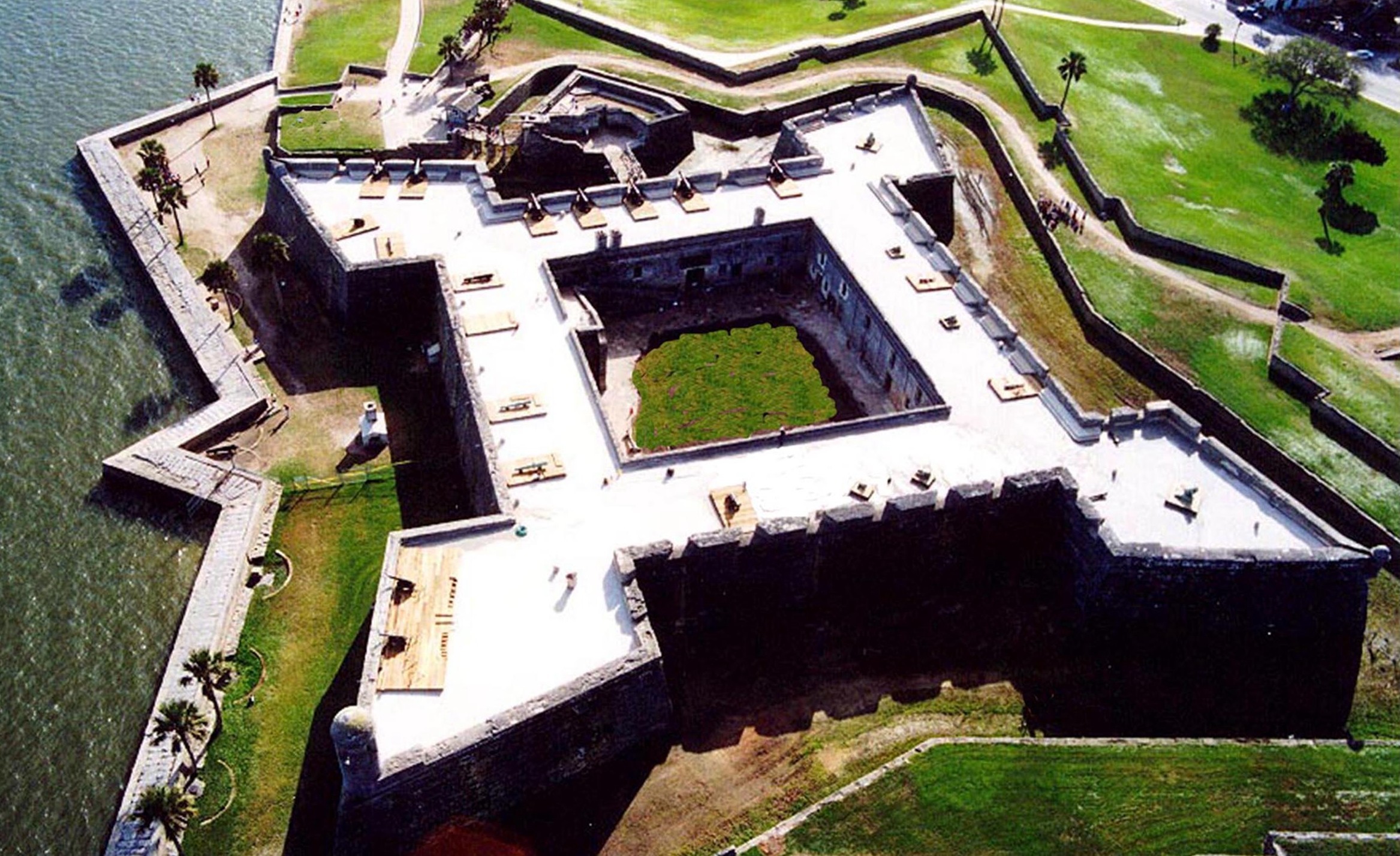
Echoes of Revolution: Unveiling the Mysteries and Majesties of Valley Forge National Historical Park
Planning a visit? Check out the Valley Forge National Historical Park page for visitor info, directions, and what to do when you get there.

Introduction
Welcome to an immersive dive into one of America’s most cherished historic treasures: The Valley Forge National Historical Park. Here, the echoes of revolution meet the serenity of untouched landscapes, creating a unique blend that captives visitors from around the globe. Nestled within Pennsylvania’s Montgomery County, it stands as a solemn yet inspiring testament to the resilience and strength of Revolutionary War soldiers up against daunting odds.
Historical/Cultural/Geological Background
History whispers through every nook and cranny at Valley Forge. It was here that General George Washington led his Continental Army during a harsh winter from 1777-78. Yes, this iconic site served not as a battlefield but as quarters for overwintering troops! The stories entrenched within its bounds are ones embodying struggle, endurance, and ultimately triumph.
Yet beyond its historical significance lies Valley Forge’s geological marvels. Its diverse topography is characterized by steep slopes, rolling hills & sweeping plains adorned by Schuylkill River’s winding charm.
Activities Guide
Visitors’ interests find equal footing with history buffs! A vast array of activities from hiking, biking on the 20-mile Joseph Plumb Martin Trail or exploring wildlife along scenic river trails awaits you!
History comes alive with interactive experiences. Stroll through the recreated Muhlenberg Brigade huts, or be awed by Washington’s Headquarters. Engage in Ranger Programs that introduce Revolutionary stories or participate in Living History demonstrations.
Visitor Information
Valley Forge is located 18 miles northwest of Philadelphia and accessible via highway US 422 and PA 23. It opens daily from sunrise to sunset except on Christmas Day. Entry fees? None!
However, certain areas like Washington’s Headquarters require tickets (nominal fee). Facilities available include Visitor Center, restrooms, picnic areas, and designated parking spots.
Tips for Different Visitors
-
Nature Lovers: Spring brings a riot of colors with blooming wildflowers; autumn paints a stunning canvas of fall foliage.
-
History Enthusiasts: Spend hours at the museum learning about General Washington’s leadership or delve into archaeological artifacts onsite.
-
Families: Kids can join the Junior Ranger Program and earn badges.
-
Fitness Aficionados: The park’s terrain is ideal for hiking & biking adventures. Plan early morning or twilight expeditions to avoid crowds.
Regional Context
Valley Forge anchors Greater Philadelphia’s historic landscape defined by significant sites like Independence Hall, Liberty Bell Center, and Benjamin Franklin Museum. A visit here is the perfect complement to your Philly itinerary!
Conclusion
In essence, Valley Forge National Historical Park captures American resilience wrapped in natural beauty - an enticing amalgamation that deserves exploration and appreciation.
-
Why did Washington choose Valley Forge for winter quarters? Valley Forge promised strategic advantages including defense against British attacks. Its elevated location facilitated surveillance over surrounding regions.
-
How long should I plan for my visit? If you’re engaging in outdoor activities & visiting historical sites, allocate a full day.
-
Are pets allowed at Valley Forge? Yes, pets are allowed but should be maintained on a leash. However, they’re not permitted in buildings.
-
What wildlife can we observe at Valley Forge? The park boasts diverse fauna including deer, foxes, varieties of birds and abundant flora.
-
Does the Park have dining facilities? While there are no restaurants onsite, picnic areas are available. Nearby King of Prussia offers numerous dining options.
Tags
Valley Forge, Philadelphia travel, national parks USA, Revolutionary War history, George Washington, historic landmarks Pennsylvania, nature trails, family-friendly travel.
Frequently Asked Questions
What are the operating hours and admission fees for Valley Forge National Historical Park?
Valley Forge National Historical Park is typically open year-round, though specific hours may vary by season. Most national parks charge an entrance fee, but some sites are free to visit. Check the official NPS website for current hours and fee information.
How long should I plan for a visit to Valley Forge National Historical Park?
A typical visit to Valley Forge National Historical Park can range from a few hours to a full day, depending on your interests and the activities you choose. Allow extra time for hiking, photography, and exploring visitor centers.
What should I bring when visiting Valley Forge National Historical Park?
Essential items include comfortable walking shoes, water, snacks, sunscreen, and weather-appropriate clothing. Bring a camera to capture the scenic views and consider binoculars for wildlife viewing.
What is the best time to visit Valley Forge National Historical Park?
The best time to visit depends on your preferences and the activities you plan to enjoy. Spring and fall often offer pleasant weather and fewer crowds, while summer provides the longest daylight hours.
Is Valley Forge National Historical Park accessible for visitors with mobility needs?
Many areas of Valley Forge National Historical Park are accessible to visitors with mobility needs, including paved trails and accessible facilities. Contact the park directly for specific accessibility information and current conditions.
Related Articles
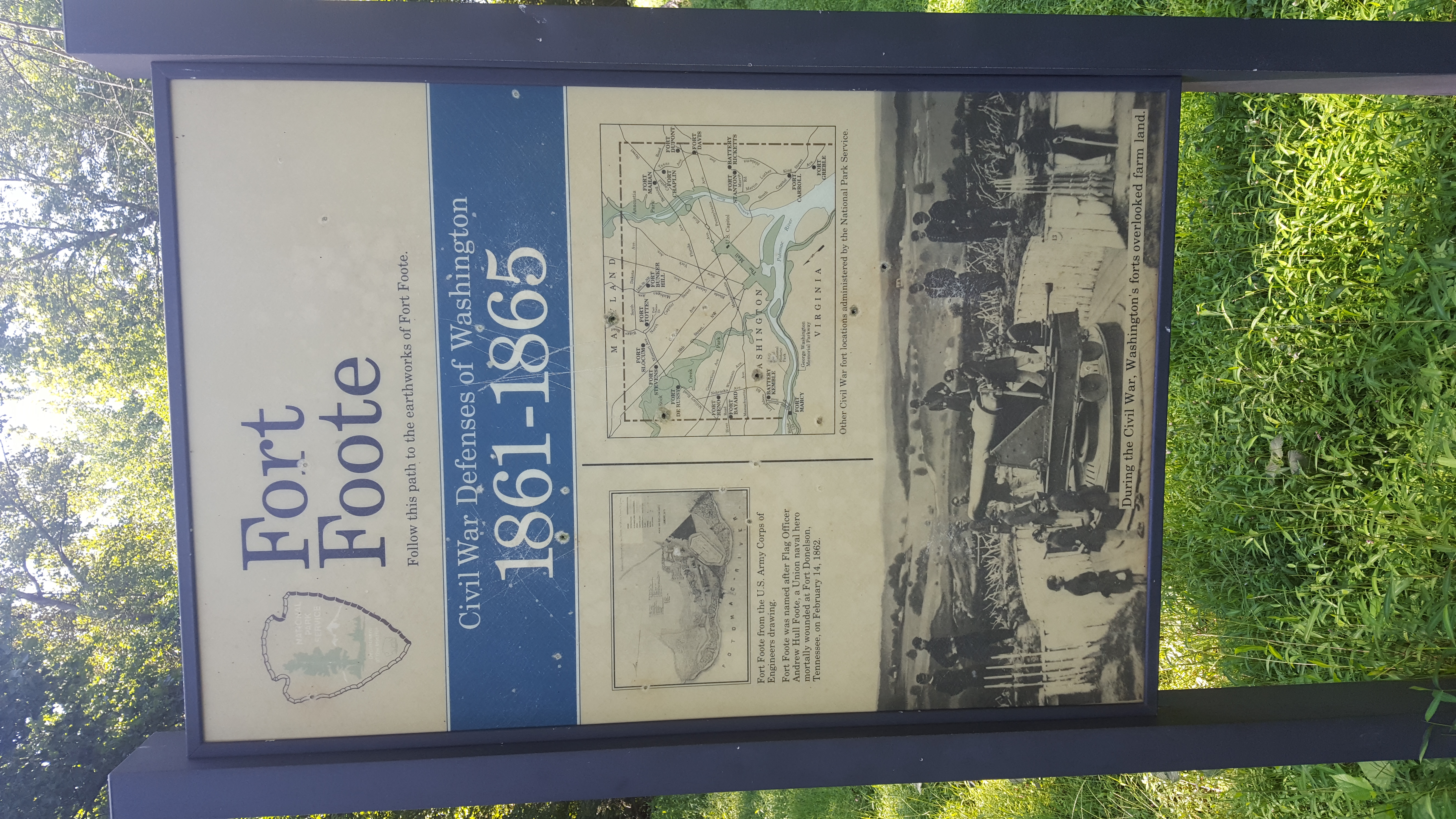
Echoes from the Past: Untold Stories
Explore Fort Foote Park in Washington, D.C., Maryland with our comprehensive visitor guide featuring activities, tips, and local insights.

Cedar Breaks: The Amphitheater of Marvelous Wonders