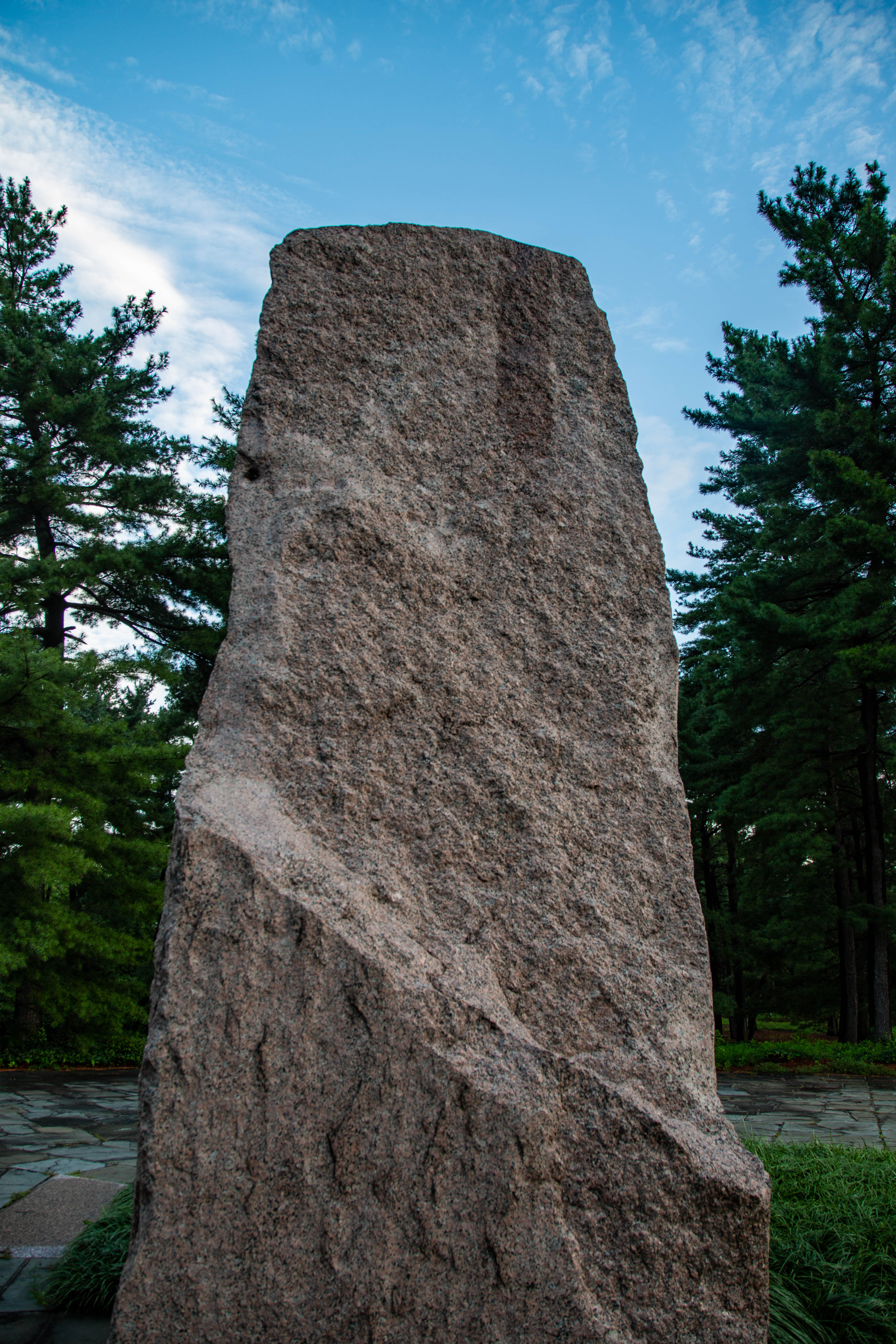
Tracing Glacial Footprints: Ice Age National Scenic Trail, Wisconsin
Planning a visit? Check out the Ice Age National Scenic Trail page for visitor info, directions, and what to do when you get there.
CONTENT:
Introduction
Welcome to Wisconsin’s majestic Ice Age National Scenic Trail. Covering over 1,000 miles of scenic beauty, this winding trail draws inspiration and its name from the last major Ice Age that helped shape the unique landscape it traverses. As your boots crunch on ancient gravel or your eyes trace sky-piercing stone formations remaining from glacier deposits, you’ll realize that every feature on this trail tells a story millions of years old. Offering glimpses into past epochs while delighting visitors with diverse natural beauty, the Ice Age Trail is an adventure not to be missed.
Historical/Cultural/Geological Background
The Ice Age National Scenic Trail walks you through a fascinating geological history written by moving ice masses some 10,000 years ago. The glacial activity contributed to various geological features seen today, including kames (upward pointing mounds), drumlins (elliptically-shaped hills) and eskers (long ridges left by sub-glacial streams). The most significant feature might just be the terminal moraine - marking where the mighty glacier halted its southern progression.
Historically, this land holds cultural importance for several Native American tribes including Winnebago and Menominee who dubbed Lake Michigan as ‘Daycholah’, meaning “the great water”. Sections of this trail were once trade routes for fur trappers in early 19th century creating connections between people and landscapes across periods of time.
Activities Guide
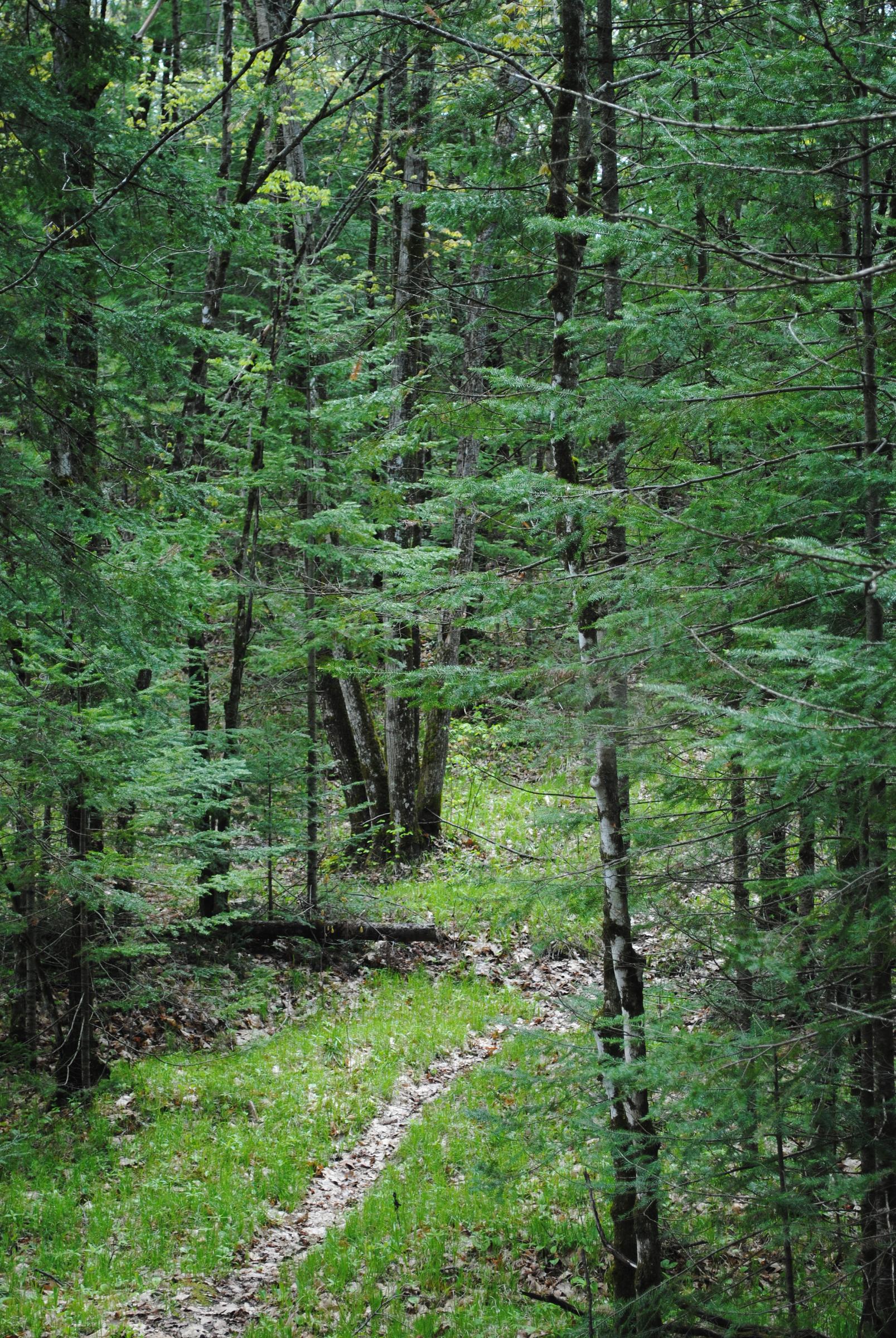
The possibilities are endless when it comes to exploring the Ice Age National Scenic Trail. Hiking enthusiasts can find solace in the trail’s stretched miles of rich forests, wetlands, and escarpments. Birdwatchers should keep their binoculars at hand to spot species like Acadian Flycatcher, Baltimore Oriole, or even an elusive Bobolink.
Winter on the trail opens up opportunities for snowshoeing and cross-country skiing. For those seeking a more leisurely pace, enjoy strolls among blooming wildflowers in spring or vibrant foliage in fall. The remote sections provide solitude for contemplation while more populated areas offer opportunities for social bonding around campfires beneath star-studded skies.
Visitor Information
The Ice Age National Scenic Trail is open year-round and visitor centers along the route are typically open from April through October. There are no entry fees but donations are welcomed to maintain this national treasure.
Primitive camping is allowed along parts of the trail with designated shelters provided by the National Park Service. Alternatively, there’s a variety of lodging options nearby ranging from cosy cabins to modern hotels comfortable for all family members.
Tips for Different Visitors
Whether you’re a seasoned hiker, a budding botanist, an avid birdwatcher, or simply someone wanting to immerse in nature’s wonders, here are few tips:
- Always check current weather conditions before heading out.
- Stay prepared with essential items: basic first-aid kit, map of the trail’s section you’ll be exploring, water purifier for backcountry travels; bug spray during warmer months.
- Respect posted signs regarding wildlife or private property.
- Leave no trace: help maintain the park’s beauty by keeping litter off trails and extinguishing fires properly after use.
Regional Context
The Ice Age Trail weaves across Wisconsin linking together landscapes that encapsulate diverse communities each offering its own unique attractions. Be it dairy farms serving delicious cheeses, quaint towns radiating Midwest charm with their antique shops and friendly locals; or big cities bustling with museums, arts scene, and gourmet restaurants - there’s much to explore before or after your trail adventure.
Conclusion
There’s something inherently powerful about tracing the geography of a place back millions of years. The Ice Age National Scenic Trail offers not just great landscapes for nature lovers, but also insights into the deep history and vibrant communities of Wisconsin. Whether you wish to lose yourself in ancient tales etched in stone, challenge your endurance along rugged terrains, or simply soak up serenity amidst natural wonders, this Trail beckons!
FAQs
Q1: How long does it take to hike the entire Ice Age National Scenic Trail?
Q2: Can I bike on the Ice Age National Scenic Trail?
Q3: Are pets allowed on the trail?
Q4: Is camping available all along the trail?
Q5: Is there any wildlife risk associated with hiking on this trail?
Tags
#IceAgeTrail #Wisconsin #Hiking #NatureLover #GlacialLandscapes #BirdWatching #NationalScenicTrail #OutdoorAdventure
Frequently Asked Questions
What are the operating hours and admission fees for Ice Age National Scenic Trail?
Ice Age National Scenic Trail is typically open year-round, though specific hours may vary by season. Most national parks charge an entrance fee, but some sites are free to visit. Check the official NPS website for current hours and fee information.
How long should I plan for a visit to Ice Age National Scenic Trail?
A typical visit to Ice Age National Scenic Trail can range from a few hours to a full day, depending on your interests and the activities you choose. Allow extra time for hiking, photography, and exploring visitor centers.
What should I bring when visiting Ice Age National Scenic Trail?
Essential items include comfortable walking shoes, water, snacks, sunscreen, and weather-appropriate clothing. Bring a camera to capture the scenic views and consider binoculars for wildlife viewing.
What is the best time to visit Ice Age National Scenic Trail?
The best time to visit depends on your preferences and the activities you plan to enjoy. Spring and fall often offer pleasant weather and fewer crowds, while summer provides the longest daylight hours.
Is Ice Age National Scenic Trail accessible for visitors with mobility needs?
Many areas of Ice Age National Scenic Trail are accessible to visitors with mobility needs, including paved trails and accessible facilities. Contact the park directly for specific accessibility information and current conditions.