Uncovering the Echoes of Freedom: Boston African American National Historic Site
Planning a visit? Check out the Boston African American National Historic Site page for visitor info, directions, and what to do when you get there.
Introduction
Housed in the heart of the bustling city of Boston, Massachusetts, lies a treasured emblem of African American history - the Boston African American National Historic Site. This site serves as an oasis of tranquility amidst urban chaos while carrying forward compelling stories of freedom, courage, and determination. Here you can walk down memory lanes of one of America’s most significant eras and experience history through tangible vestiges.
Historical/Cultural/Geological Background
Activities Guide
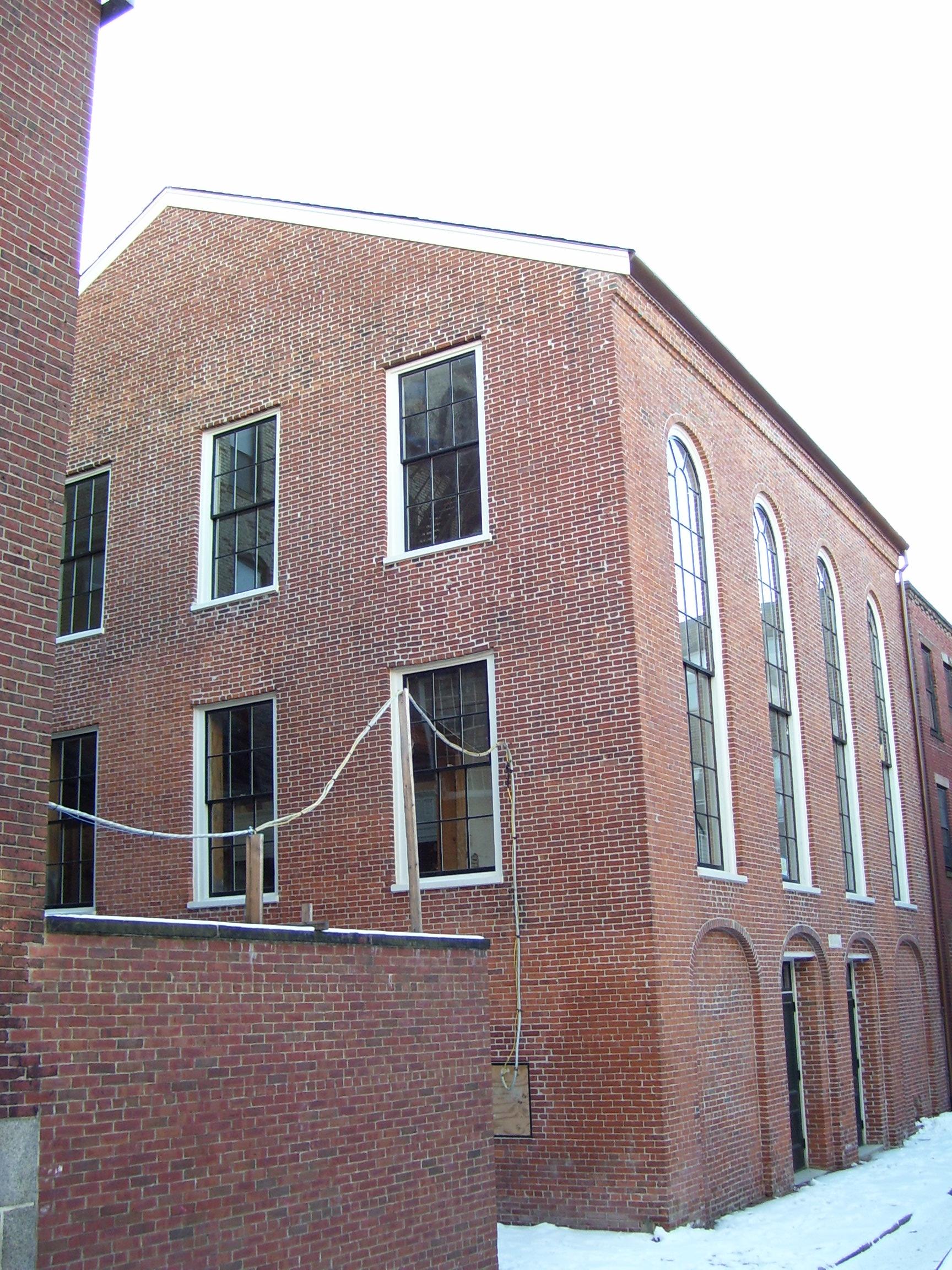
The Fletcher Home at 1805 Beacon Street greets visitors with collections reflecting everyday life from an era bygone. As you stroll along its trail, be sure to pause at historic Abiel Smith School – the first public school for black children – or visit Africa Meeting House which has played host to prominent abolitionists like Frederick Douglass.
Free guided tours led by rangers exhibit treasures such as sculptures signifying long strides towards freedom, or murals illustrating courageous tales in riveting detail. For self-guided explorers, there is an interactive mobile application providing detailed information in an engaging manner.
Visitor Information
Being located in a bustling city, this historic site has easy accessibility by public transport with parking options nearby. Though the freedom trail is open year-round, the visitor center (Fletcher Home) operates from Mid April through November. There are no entrance fees for visitors wishing to take the self-guided tour. However, if you require a ranger-led tour, it’s advisable to book ahead of time especially during peak season.
Tips for Different Visitors
Wheelchair accessibility is only provided partially due to its location on a hilly terrain; hence, making necessary preparations is recommended for visitors with mobility issues. Parents with children can engage them through scavenger-hunt-style activities available at the visitor center. As historical narratives can get intense, they’re better suited for older kids and adults. Photographers will find delight capturing architectural details or picturesque urban sceneries.
Regional Context
Not far from this Historic Site resides Boston’s other attractions like Massachusetts State House known for its golden dome or The Museum of African American History offering further insight into African-American heritage. Enjoy Boston’s famed clam chowder at Union Oyster House after your historical exploration in nearby eateries.
Conclusion
The Boston African American National Historic Site exists as a vivid testament to human spirit prevailing against all odds and injustice. Here history doesn’t confine itself within textbooks but whispers from every corner of this urban setting – echoing tales of bravery that need to be heard amid our modern whirlwinds.
Frequently Asked Questions
What are the operating hours and admission fees for Boston African American National Historic Site?
Boston African American National Historic Site is typically open year-round, though specific hours may vary by season. Most national parks charge an entrance fee, but some sites are free to visit. Check the official NPS website for current hours and fee information.
How long should I plan for a visit to Boston African American National Historic Site?
A typical visit to Boston African American National Historic Site can range from a few hours to a full day, depending on your interests and the activities you choose. Allow extra time for hiking, photography, and exploring visitor centers.
What should I bring when visiting Boston African American National Historic Site?
Essential items include comfortable walking shoes, water, snacks, sunscreen, and weather-appropriate clothing. Bring a camera to capture the scenic views and consider binoculars for wildlife viewing.
What is the best time to visit Boston African American National Historic Site?
The best time to visit depends on your preferences and the activities you plan to enjoy. Spring and fall often offer pleasant weather and fewer crowds, while summer provides the longest daylight hours.
Is Boston African American National Historic Site accessible for visitors with mobility needs?
Many areas of Boston African American National Historic Site are accessible to visitors with mobility needs, including paved trails and accessible facilities. Contact the park directly for specific accessibility information and current conditions.


