Acadia Rising: A Journey into the Heart of the East Coast’s Natural Jewel
Planning a visit? Check out the Acadia National Park page for visitor info, directions, and what to do when you get there.
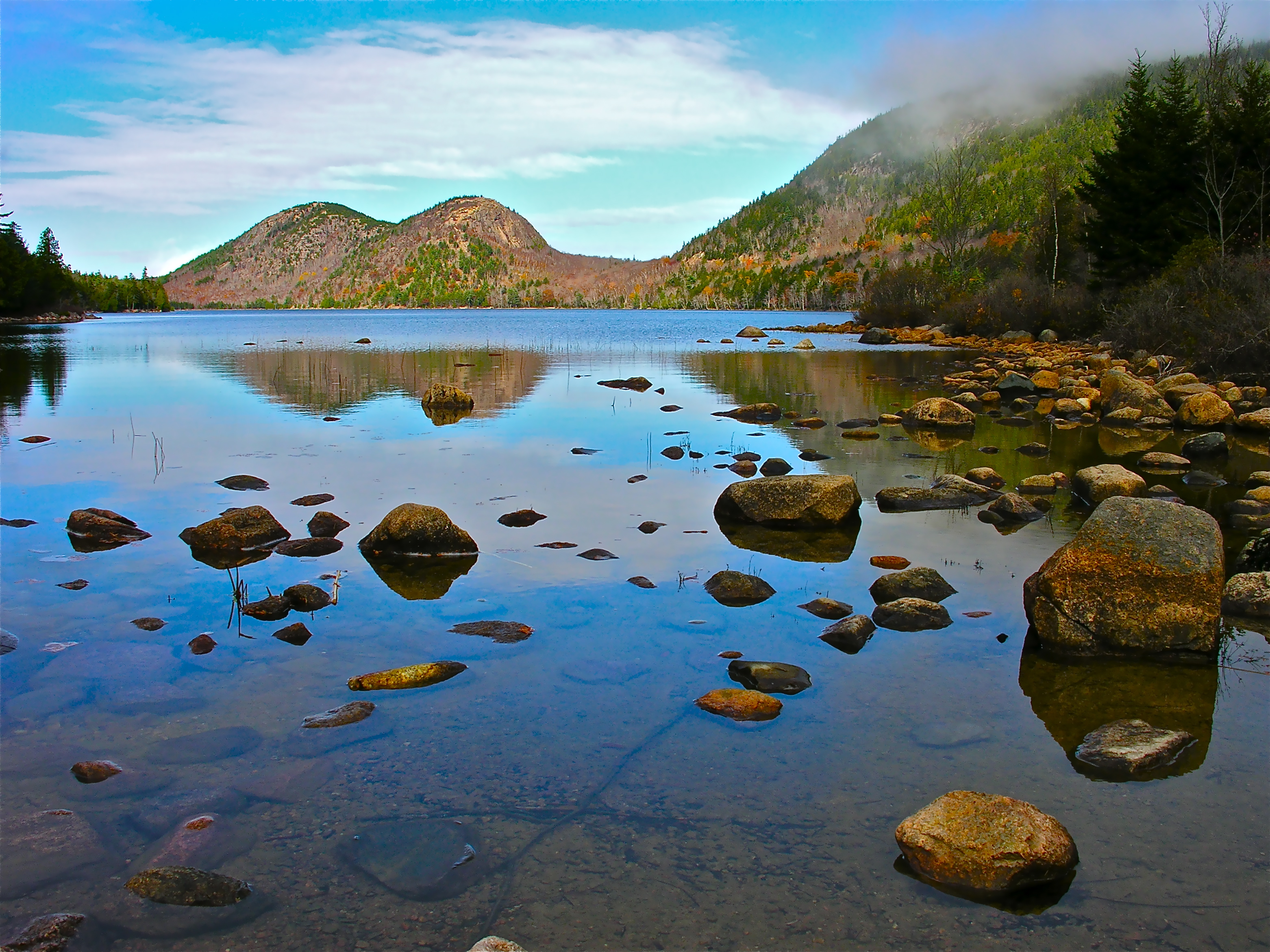
Introduction
Historical/Cultural/Geological Background
Geologically intriguing, multiple ice ages have sculpted this landscape creating unique features like Somes Sound (the only fjord on America’s east coast), Jordan Pond (a glacier-carved tarn), Bubble Rocks (glacial erratics daintily balanced), or Thunder Hole—a sea cave whose acoustics mimic thunderstorms during high tide or storm surges.
Activities Guide
Whether you are a hiker, cyclist, bird watcher, or just a nature enthusiast—Acadia has you covered. Hike the Precipice Trail for breathtaking views or explore Jordan Pond Path for a serene and picturesque experience. Bike along the 57 miles of historic Carriage Roads—a gift from philanthropist John D Rockefeller Jr.—or try your hand at rock climbing on Otter Cliffs. Bird-lovers can spot over 330 species including Peregrine Falcons.
Visitor Information
The park is open year-round, but facilities and roads may close during the winter. The entrance fee varies between $15-30 depending on the season and vehicle type. The free Island Explorer bus system operates June through October offering an eco-friendly way to navigate the park. Be sure to check out the Hulls Cove Visitor Center for more information upon arrival.
Tips for Different Visitors
Impressive as all these features are, Acadia shines brightest when draped in differing seasonal cloaks. Fall’s flaming foliage offers spectacular views, especially along the Park Loop Road; in winter, don cross-country skis or snowshoes to feel the silent allure of frozen landscapes; spring’s rebirth brings bird migrations; summer serves up perfect temperatures for outdoor activities.
Regional Context
Conclusion
So come fall in love with Acadia National Park; hike mountains that meet sea where horizons blur together and wind whispers ancient stories through pine-scented air. A timeless spectacle where every sunrise is America’s earliest—a first taste of dawn that will leave you craving even more sublime experiences hidden within this jewel of the Maine coastline.
FAQs
1. What is the best time to visit Acadia National Park? While the park is beautiful year-round, peak season (June-September) offers better access and more activities. Fall boasts stunning colors, but also large crowds. Off-season visits can provide a quieter, more peaceful experience.
2. Can I bring my pet to Acadia National Park? Yes, pets are permitted in many areas of the park—on most hiking trails, campgrounds, and carriage roads—but must be restrained on a leash no longer than 6 feet at all times.
3. Is camping allowed in Acadia National Park?
4. How do I get around in the park? The free Island Explorer shuttle bus runs from late June until early October throughout Bar Harbor and the park. You can also cycle or drive along the scenic Park Loop road.
5. Are there restaurants or shops in Acadia National Park? There are limited concessionary facilities like Jordan Pond House Restaurant within the park boundaries; however, nearby Bar Harbor has a plethora of dining options and stores.
Tags
#AcadiaNationalPark #Maine #HikingAdventures #OutdoorActivities #HistoricalTravel #USNationalParks #NatureLover #BarHarbor
Frequently Asked Questions
What are the operating hours and admission fees for Acadia National Park?
Acadia National Park is typically open year-round, though specific hours may vary by season. Most national parks charge an entrance fee, but some sites are free to visit. Check the official NPS website for current hours and fee information.
How long should I plan for a visit to Acadia National Park?
A typical visit to Acadia National Park can range from a few hours to a full day, depending on your interests and the activities you choose. Allow extra time for hiking, photography, and exploring visitor centers.
What should I bring when visiting Acadia National Park?
Essential items include comfortable walking shoes, water, snacks, sunscreen, and weather-appropriate clothing. Bring a camera to capture the scenic views and consider binoculars for wildlife viewing.
What is the best time to visit Acadia National Park?
The best time to visit depends on your preferences and the activities you plan to enjoy. Spring and fall often offer pleasant weather and fewer crowds, while summer provides the longest daylight hours.
Is Acadia National Park accessible for visitors with mobility needs?
Many areas of Acadia National Park are accessible to visitors with mobility needs, including paved trails and accessible facilities. Contact the park directly for specific accessibility information and current conditions.


