The Echoes of Equality: An In-Depth Journey Through Brown v. Board of Education National Historical Park
Planning a visit? Check out the Brown v. Board of Education National Historical Park page for visitor info, directions, and what to do when you get there.
Introduction
Welcome to a journey into a pivotal chapter in American history, where segregation was outlawed and educational equality took center stage – welcome to Brown v. Board of Education National Historical Park. Situated in Topeka, Kansas, this memorial stands as a beacon and remembrance of one of the most significant Supreme Court decisions made in American history.
Historical/Cultural/Geological Background
For those who are unfamiliar with it, it all began on May 17, 1954 when the US Supreme Court declared “separate but equal” education unconstitutional under Brown v. Board of Education, overthrowing racial segregation in public schools across the nation. This ruling marked a turning point in the fight for civil rights and precipitated changes still felt today.
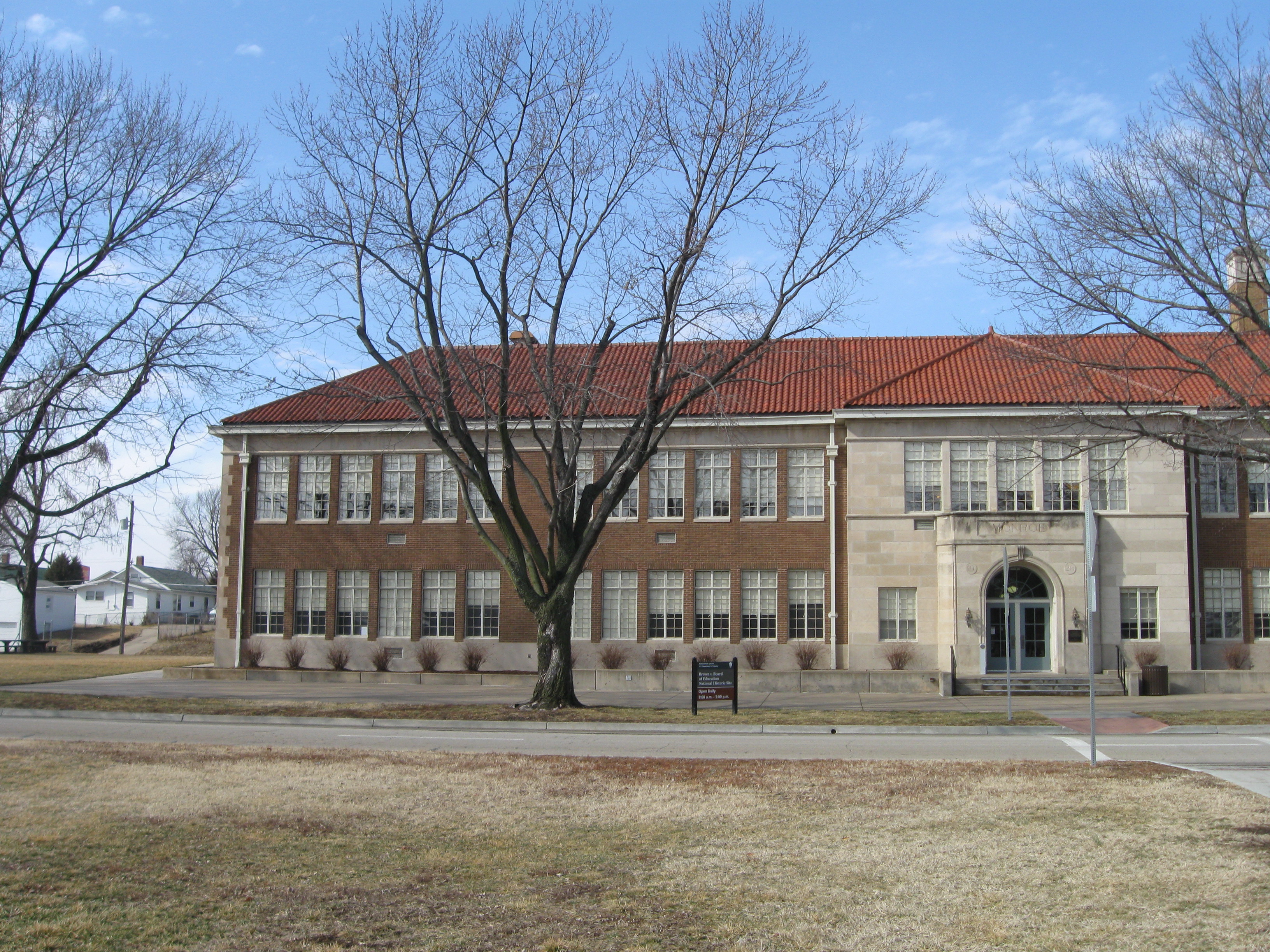
The park itself is housed within Monroe Elementary School which was one among four segregated schools for African Americans then existing in Topeka. Today, it serves as a potent reminder that freedom and equality are fought-for rights rather than given privileges, offering visitors an opportunity to pay tribute to this seminal moment in American Civil Rights history through its exhibits and tours.
Activities Guide
Venture out into this historical landscape that has been carefully molded into a multi-dimensional experience for visitors. As you walk along halls adorned with pictures and narratives depicting pre-1954 racial segregation, be prepared for your emotions to be stirred and your perspective broadened.
Interactive galleries, exhibits with original artefacts, oral histories that let you hear from people who were involved in the case and a film narrating the history of segregation in America awaits you here. The ‘Hall of Courage’ is a particularly striking part of the park recreating an intimidating walkway into a segregated high school. An array of educational programs, ranger-led discussions and interactive displays make this location far more than just a static remembrance of the past.
Visitor Information
The Brown v. Board of Education National Historical Park is open Wednesday through Sunday from 9am to 5pm, however, it’s also important to check current operating hours and circumstances as they may fluctuate due to COVID-19 restrictions. Admission is free for all visitors.
You can tour the site independently or participate in ranger-led activities if available. There are also plenty picnic areas nearby, making it easy for families to spend an entire day exploring and learning.
Tips for Different Visitors
Brown v. Board Of Education National Historical Park is accessible for all ages and abilities; its sights and stories touch everyone universally regardless of their background or nationality. Teachers can utilize specially-curated resources offered by the park for field trips or lesson plans around civil rights education. Families can use this visit as an opportunity to instil valuable lessons about equality and freedom in younger generations.
Solo travelers who wish to delve deeper into the narrative can take time reading the multitude of information displayed on walls—each one carrying historical weight—a testament to those who were brave enough to challenge societal norms then ruling.
Regional Context
While visiting Topeka, it’s worth exploring other points of interest too which speak volumes about Kansas history; remarkably highlighting how common folk rose above adversity to shape monumental changes. The Kansas State Capitol Building offers tours leading you through its architectural perfection while teaching you about local political history. Additionally, consider visiting the Topeka Zoo, Gage Park or the Kansas Museum of History for a well-rounded tour of Topeka.
Conclusion
Through its galleries, exhibits and narrated histories, Brown v. Board Of Education National Historical Park sends visitors on an intense journey back in time blending education with remembrance. It does not merely narrate the past but brilliantly uses it to inspire us to continue the fight for equality and justice in all our tomorrows.
Frequently Asked Questions
What are the operating hours and admission fees for Brown v. Board of Education National Historical Park?
Brown v. Board of Education National Historical Park is typically open year-round, though specific hours may vary by season. Most national parks charge an entrance fee, but some sites are free to visit. Check the official NPS website for current hours and fee information.
How long should I plan for a visit to Brown v. Board of Education National Historical Park?
A typical visit to Brown v. Board of Education National Historical Park can range from a few hours to a full day, depending on your interests and the activities you choose. Allow extra time for hiking, photography, and exploring visitor centers.
What should I bring when visiting Brown v. Board of Education National Historical Park?
Essential items include comfortable walking shoes, water, snacks, sunscreen, and weather-appropriate clothing. Bring a camera to capture the scenic views and consider binoculars for wildlife viewing.
What is the best time to visit Brown v. Board of Education National Historical Park?
The best time to visit depends on your preferences and the activities you plan to enjoy. Spring and fall often offer pleasant weather and fewer crowds, while summer provides the longest daylight hours.
Is Brown v. Board of Education National Historical Park accessible for visitors with mobility needs?
Many areas of Brown v. Board of Education National Historical Park are accessible to visitors with mobility needs, including paved trails and accessible facilities. Contact the park directly for specific accessibility information and current conditions.