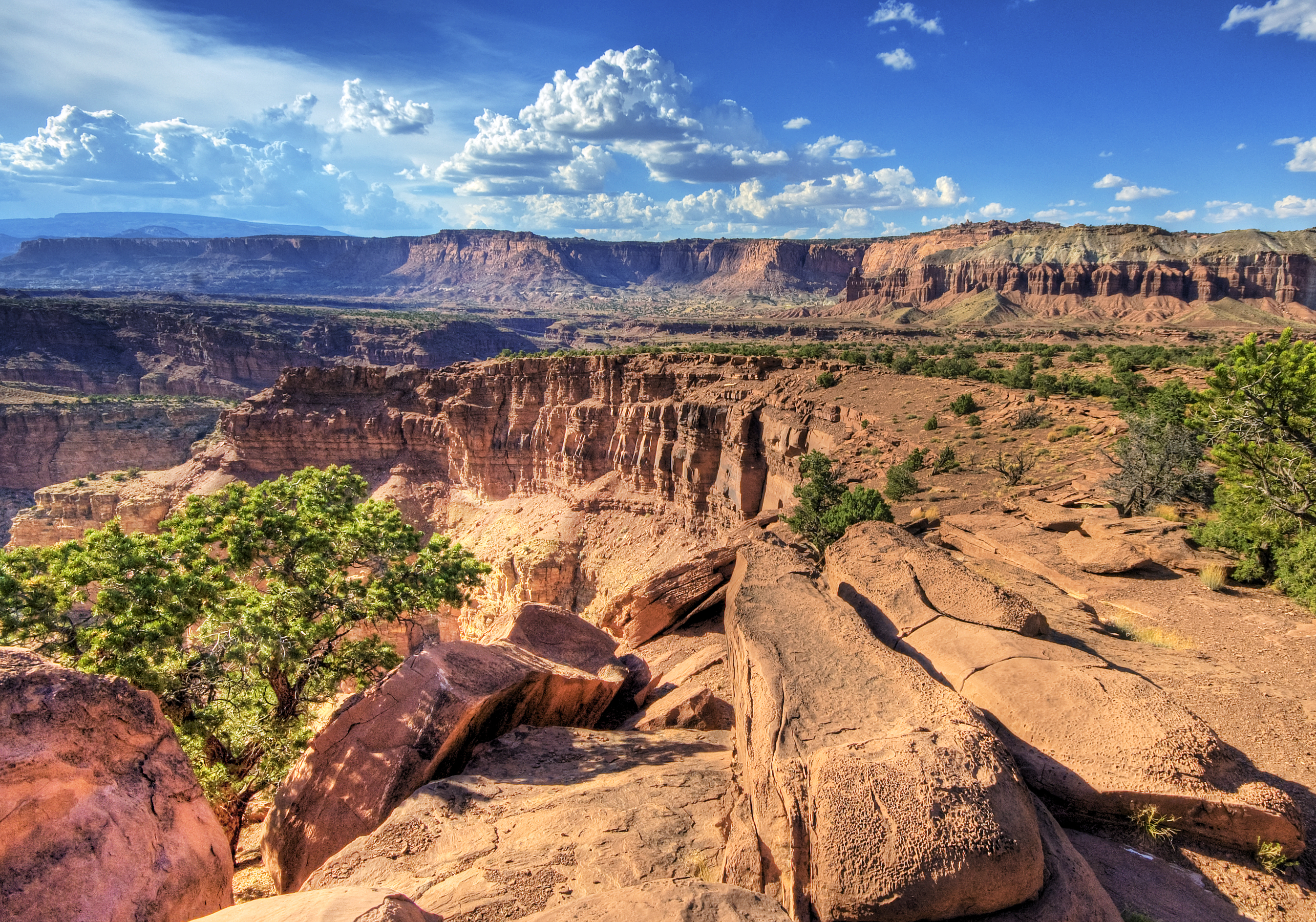
Embracing the Wild: A Journey through Olympic National Park
Planning a visit? Check out the Olympic National Park page for visitor info, directions, and what to do when you get there.

Introduction
If there was ever a place that encapsulates the essence of the Pacific Northwest’s grandeur, it would undoubtedly be the Olympic National Park. This vibrant gem tucked away in Washington State is a treasure chest overflowing with an unparalleled diversity of landscapes and ecosystems. From its glacier-capped peaks to its old-growth forest habitats and from its rugged coastline to its diverse wildlife, every corner of this majestic park whispers tales of ageless natural beauty. Here, you’ll find an array of experiences waiting to engage your senses and capture your heart.
Historical/Cultural/Geological Background
Named after Mount Olympus (the abode mythically associated with Greek gods), Olympic National Park is firmly grounded in the grandeur of reality. The park has deep roots concerning both human history and geological heritage. Indigenous people have called this region home for thousands of years before European exploration began in the 1500s. The area’s splendid isolation allowed tribes like Quinault, Hoh, Quileute, and Makah to develop distinct cultures deeply rooted in these wildlands.
In 1938, President Franklin D. Roosevelt designated it as a national park to protect this invaluable biodiversity hotspot.
Activities Guide
Embrace the wild spirit of Olympic National Park through various stimulating activities. For hiking enthusiasts, there are over 600 miles of trails, traversing lush rainforests, alpine meadows, and rugged coastlines. Notable hiking routes include Hoh Rainforest’s Hall of Mosses Trail and Hurricane Ridge.
If you lean towards water-based recreation, numerous rivers offer excellent fishing opportunities while the Pacific coastline blesses visitors with tide pooling and beach combing. Wildlife watchers can revel in spotting species ranging from Roosevelt elk, black bears, to Olympic marmots.
During winter months, Olympic becomes a snowy paradise offering downhill skiing, snowboarding at Hurricane Ridge Ski Area or peaceful snowshoe walks through the enchanting forest.
Visitor Information
Olympic National Park is open year-round. However, some roads and facilities may be closed during winter due to weather conditions. Visitor centers provide information on park rules and safety. Camping is available both in developed campgrounds and remote wilderness areas (permits required).
Pack your gear wisely considering unpredictable weather influenced by Pacific Ocean currents. Ensure you have rainproof garments even during summer months; an umbrella won’t suffice in this rain-soaked wonderland!
Tips for Different Visitors
Whether you’re an adventurer seeking adrenaline-fuelled escapades or a family seeking safe yet exciting nature exploration options — Olympic has something for everyone.
For families with young children: Check out nature walks that are short yet rich in biodiversity like Madison Creek Falls trail.
Photographers: Capture mind-boggling panoramic views from Hurricane Ridge or immortalize the dramatic seascapes at Rialto Beach.
Birdwatchers: Bring your binoculars! Over 300 bird species inhabit these diverse ecosystems - let the Peabody Creek Trail be your launching spot.
Backpackers/endurance hikers: Enchant yourself with the challenging but rewarding 17.3-mile Hoh River Trail to Glacier Meadows.
Regional Context
Located on Washington’s Olympic Peninsula, the national park is a part of a larger ecosystem including other protected areas like Olympic National Forest and several State Parks. Together, they create an imperative sanctuary for Pacific Northwest’s flora and fauna.
Olympic National Park’s remarkable biodiversity has earned it designations as both an International Biosphere Reserve and a World Heritage Site– acknowledgments that reinforce its significance on a global scale.
Conclusion
_What animals can we expect to see at Olympic National Park?_
The park houses over 70 species of mammals including black bears, Roosevelt elk, marmots, bobcats etc. Over 300 bird species inhabit the park ensuring birdwatchers enjoy their visit!
_What are the most popular trails in Olympic National Park?_
Hurricane Hill Trail with breathtaking panoramic views, Hoh Rainforest’s Hall of Mosses Trail offering rainforest exploration and Rialto Beach trail along picturesque coastline are among our top picks.
_Are there camping facilities available?_ Yes! The park offers numerous campgrounds. Wilderness camping is also allowed but requires a permit obtained from one of the visitor centers.
_How can I best prepare for unpredictable weather conditions?_
Pack layers to accommodate sudden changes in temperature. Waterproof clothing is crucial given high chance of rainfalls even during summer months.
_Can children enjoy visiting this national park?_
Tags
#OlympicNationalPark #Seattle #PacificNorthwest #OutdoorAdventure #HikingTrails #WildlifeSpotting #NaturePhotography #Camping
Frequently Asked Questions
What are the operating hours and admission fees for Olympic National Park?
Olympic National Park is typically open year-round, though specific hours may vary by season. Most national parks charge an entrance fee, but some sites are free to visit. Check the official NPS website for current hours and fee information.
How long should I plan for a visit to Olympic National Park?
A typical visit to Olympic National Park can range from a few hours to a full day, depending on your interests and the activities you choose. Allow extra time for hiking, photography, and exploring visitor centers.
What should I bring when visiting Olympic National Park?
Essential items include comfortable walking shoes, water, snacks, sunscreen, and weather-appropriate clothing. Bring a camera to capture the scenic views and consider binoculars for wildlife viewing.
What is the best time to visit Olympic National Park?
The best time to visit depends on your preferences and the activities you plan to enjoy. Spring and fall often offer pleasant weather and fewer crowds, while summer provides the longest daylight hours.
Is Olympic National Park accessible for visitors with mobility needs?
Many areas of Olympic National Park are accessible to visitors with mobility needs, including paved trails and accessible facilities. Contact the park directly for specific accessibility information and current conditions.