Dance with the Waves: A Foray into the National Park of American Samoa
Planning a visit? Check out the National Park of American Samoa page for visitor info, directions, and what to do when you get there.
Introduction
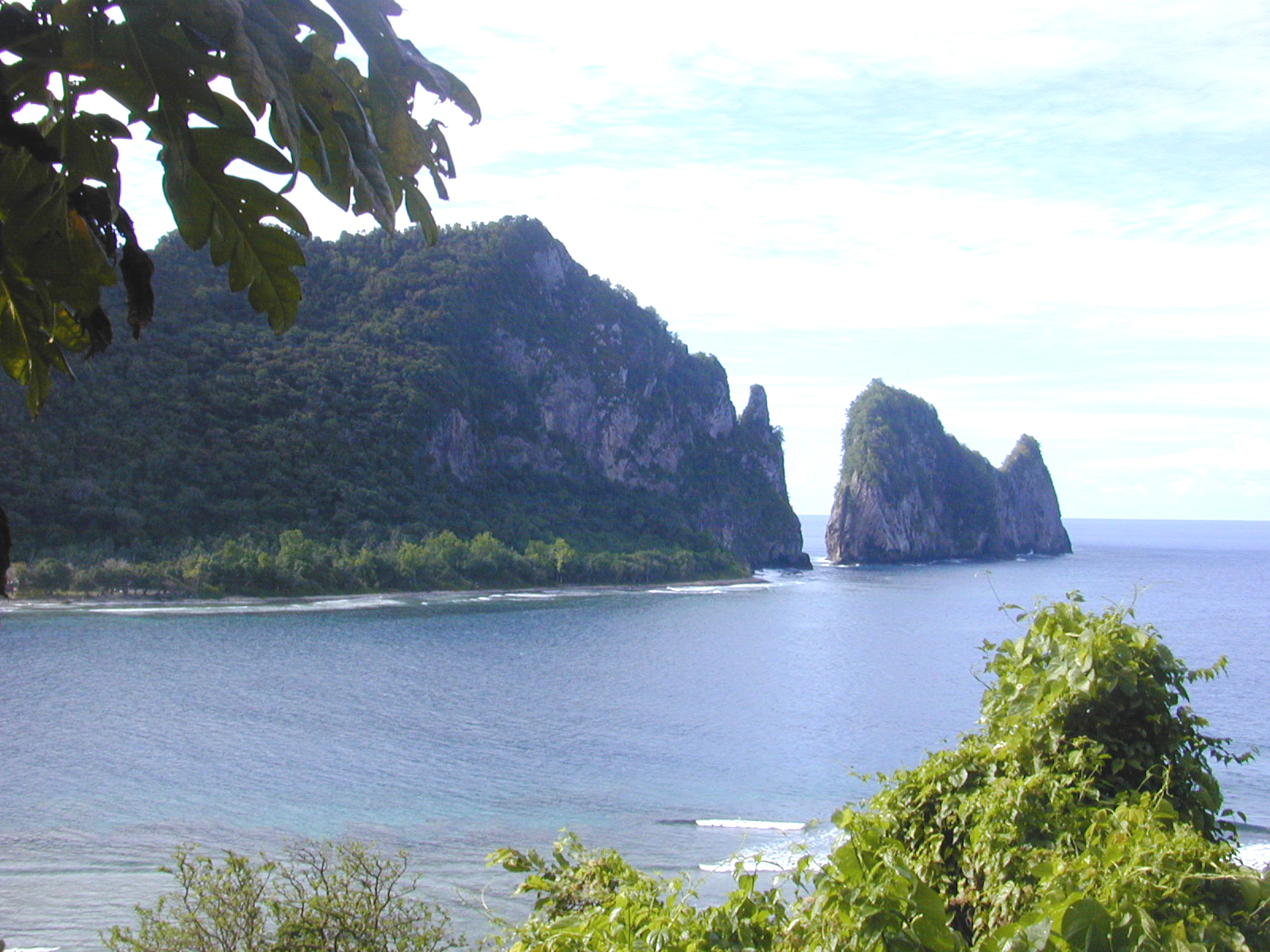
Nestled in the heart of the South Pacific, the National Park of American Samoa offers an unrivaled interaction with raw, untouched nature. Stretching across three islands - Tutuila, Ofu and Ta’u - it’s a vivid canvas painted with rugged cliffs, tropical rainforests teeming with endemic species, and serene coral reefs radiating under turquoise-blue waters.
Historical/Cultural/Geological Background
The land doesn’t merely belong to its people — it’s their heritage. Under a first-of-its-kind lease agreement with Samoan chiefs (matai), portions of their lands were assigned for preservation purposes – making visitors guests on these privately-owned lands.
Delving into its geological roots reveals that these volcanic islands were formed over seven million years ago. The verdant peaks enveloped by misty clouds seem timeless against the sprawling Pacific Ocean expanse. This park is much more than beautiful landscapes; it’s where ancient Polynesian culture lives on vibrantly amidst torrential rains and warm sunny days.
Activities Guide
Whether you’re yearning for solitude or a seasoned adventurer seeking excitement, this park has something for everyone. Hike through dense rainforests echoing bird calls or embark on challenging trails towards Mount Alava or Mount Tumu.
The vibrant underwater world will leave snorkelers delighted. The Ofu island boasts one of the world’s most attractive coral reefs, teeming with bright neon fish and occasional green sea turtles, while divers can explore the deeper waters around Tutuila.
Visitor Information
While the park is open year-round, it’s best visited during the dry season from June to September. There are no entrance fees or reservations required. However, some activities may necessitate permits.
The headquarters located in Pago Pago on Tutuila provides maps, brochures, and latest updates. Keep in mind; there are no food services, convenience stores or lodging within the park premises.
Tips for Different Visitors
For families venturing this far into the Pacific, remember to pack ample snacks, water, sunblock and insect repellent. Sturdy footwear is advisable as trails can be slippery.
Photography enthusiasts will find countless opportunities for capturing scenic vistas but be prepared for high humidity which could fog up lenses.
Birdwatchers should look out for rare species like Samoa’s national bird - tooth-billed pigeon (Manumea), and adventurous hikers must invariably check weather updates before undertaking long hikes.
Regional Context
The American Samoa islands enjoy a strategic location amidst incredible biodiversity. The park itself boasts over 35% of Samoan land birds and bats found nowhere else in the world!
The surrounding Polynesian culture adds rich dimensions to your visit with their traditional dances (fa’a Samoa), tattoo artistry (‘tatau’), and unique cuisine featuring breadfruit (‘ulu’) and coconut milk (‘suafa’i’).
Conclusion
Tags: #NationalParkOfAmericanSamoa #TravelGuide #SouthPacificAdventure #ExoticGetaway #SamoanCulture #NaturePreservation #Hiking #Snorkeling
Frequently Asked Questions
What are the operating hours and admission fees for National Park of American Samoa?
National Park of American Samoa is typically open year-round, though specific hours may vary by season. Most national parks charge an entrance fee, but some sites are free to visit. Check the official NPS website for current hours and fee information.
How long should I plan for a visit to National Park of American Samoa?
A typical visit to National Park of American Samoa can range from a few hours to a full day, depending on your interests and the activities you choose. Allow extra time for hiking, photography, and exploring visitor centers.
What should I bring when visiting National Park of American Samoa?
Essential items include comfortable walking shoes, water, snacks, sunscreen, and weather-appropriate clothing. Bring a camera to capture the scenic views and consider binoculars for wildlife viewing.
What is the best time to visit National Park of American Samoa?
The best time to visit depends on your preferences and the activities you plan to enjoy. Spring and fall often offer pleasant weather and fewer crowds, while summer provides the longest daylight hours.
Is National Park of American Samoa accessible for visitors with mobility needs?
Many areas of National Park of American Samoa are accessible to visitors with mobility needs, including paved trails and accessible facilities. Contact the park directly for specific accessibility information and current conditions.
Related Articles

A Walk Through History: Pea Ridge Uncovered

A Voyage Into History: Unraveling the Mysteries of Hamilton Grange National Memorial
Echoes from the Past: Untold Stories
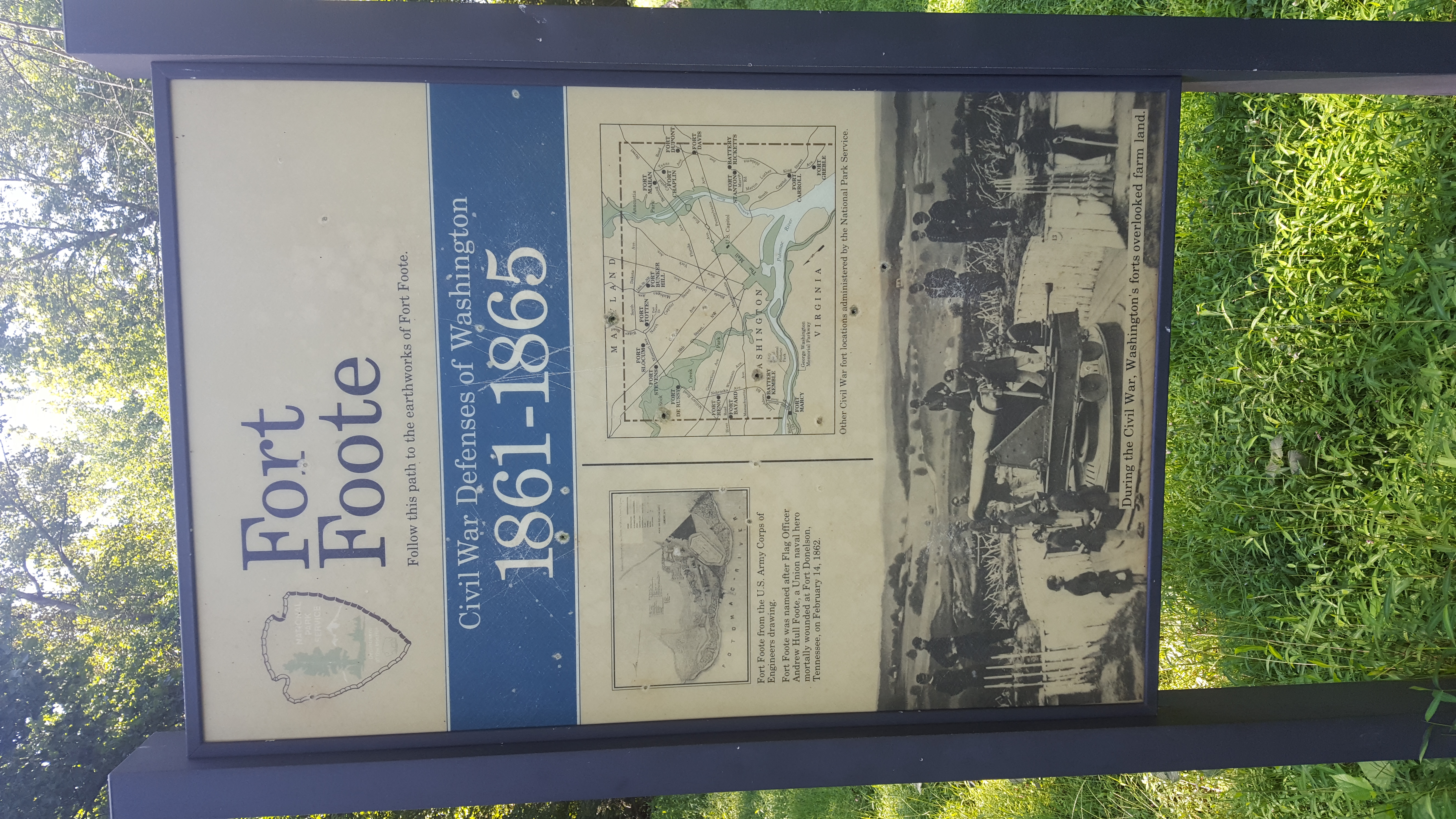
Explore Fort Foote Park in Washington, D.C., Maryland with our comprehensive visitor guide featuring activities, tips, and local insights.